
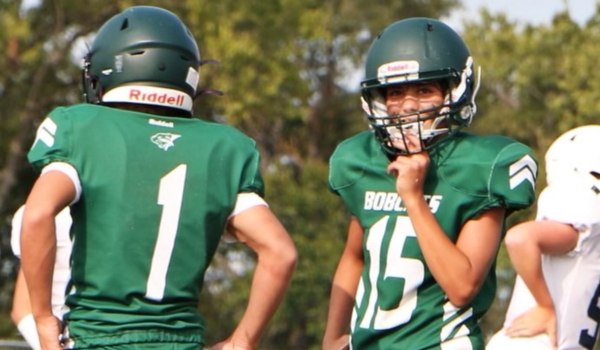
Miles Lackner — Quarterback, Class of 2030 — Basehor-Linwood High School, Basehor, Kansas
The hardest thing Miles Lackner has dealt with in football is not an injury, a loss, or a depth chart. It is what other people think he is capable of.
“High expectations,” the Class of 2030 quarterback said, when asked to name the biggest obstacle he has faced. “When people have high expectations of you and for you, it can feel like a lot of pressure and overwhelming.”
Most young athletes would leave it there, or not say it at all. Lackner kept going, and the second half of his answer is the reason this article exists.
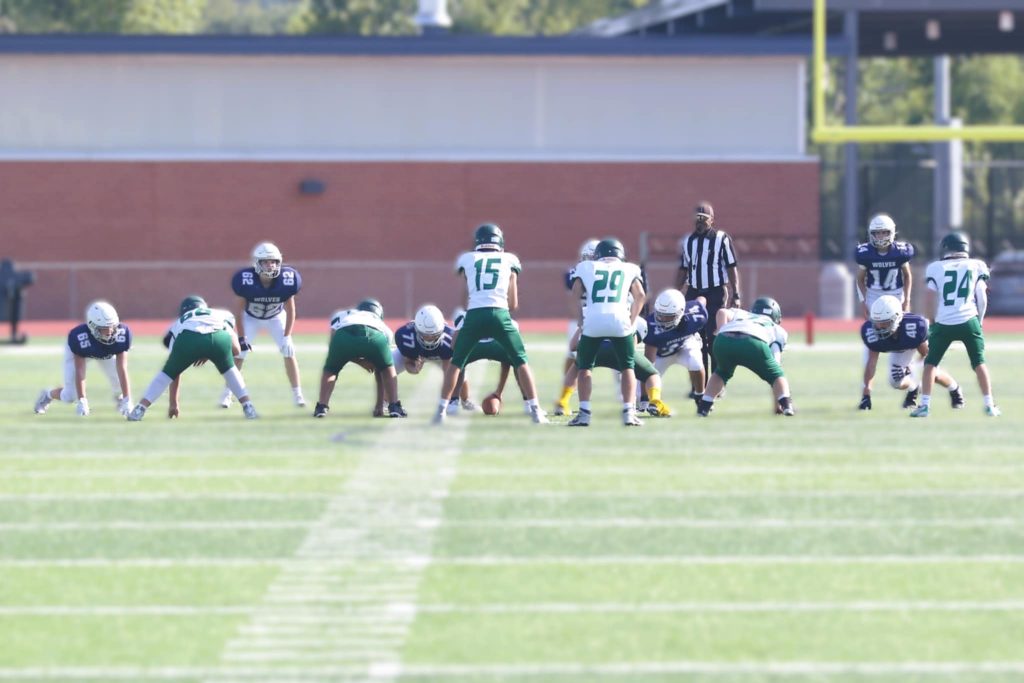
“I have learned that having those high expectations isn’t something to feel anxious about,” he said. “It means that there are people who believe in me, and believe I can do it.”
That is a reframe a lot of grown athletes never manage. It is also, in his case, earned the long way.
Lackner grew up in the Kansas City area in a family where the sport is a given. His dad, his grandfather, and his uncles are die-hard Chiefs fans, and the game has never been something he had to be talked into.
“I don’t remember a time I didn’t want to play this sport,” he said.
He started in flag football at six and has not stopped since. What drew him to quarterback is what usually separates the ones who stay at the position from the ones who rotate through it.
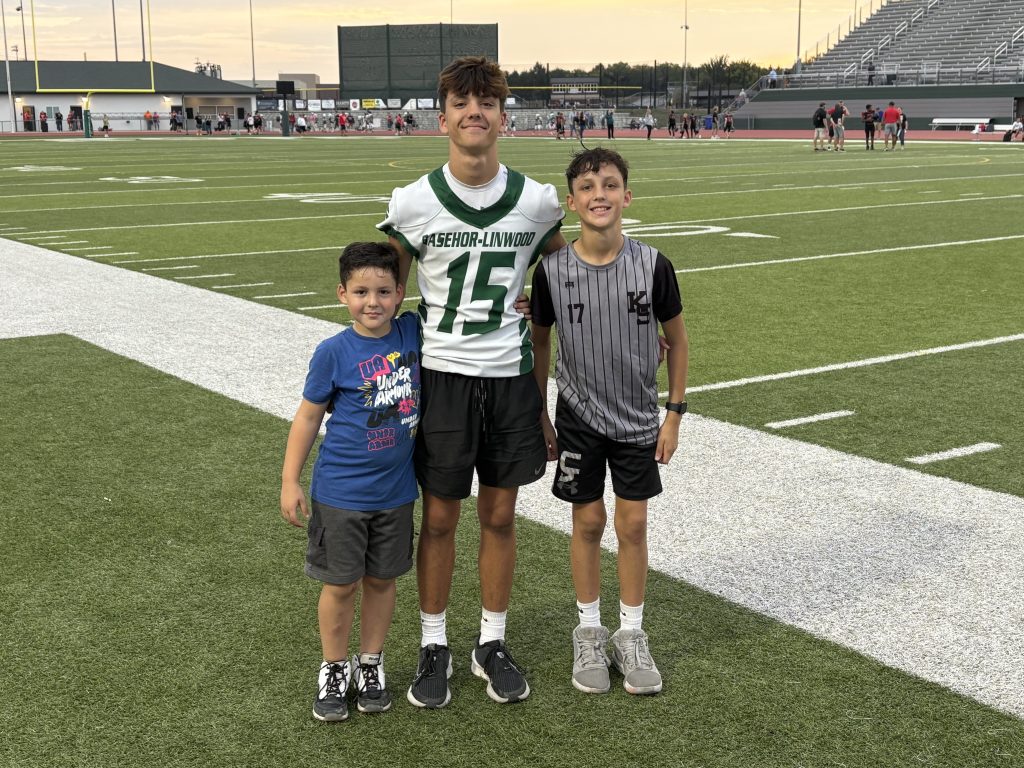
“I like having control of the game,” Lackner said. “Being able to be the one with the football and being a leader on the field that my team can trust every snap and every play is the best part of being a QB.”
Ask him what the job requires and he skips the physical traits entirely.
“An open mindset, and the ability to move on to the next play,” he said. “You might not always make the perfect play or pass, but you have to be able to learn and go. The game doesn’t stop for a mistake, so you find ways to keep moving forward.”
The player he watches is Patrick Mahomes, which in Basehor is close to a given, and what he admires is not the arm angles — it is that Mahomes keeps his team in games that should already be over.
Football is only part of the year for him. Lackner competes around the country in baseball tournaments at the major division level as a pitcher, catcher, and outfielder, and he is an AAU All-American wrestler and a Kansas state placer. Three sports, three offseasons that are not offseasons, and one common thread: all three are individual accountability disguised as competition. A wrestler cannot blame anybody. Neither can a pitcher. Neither, in the end, can a quarterback.
The person who has been there for all of it is Coach JC Christensen. He coached Lackner for exactly one football season, in eighth grade. He has been his wrestling coach since Lackner was four.
“He’s always believed in me and has been in my corner in some of my lowest moments, and also my highest,” Lackner said.
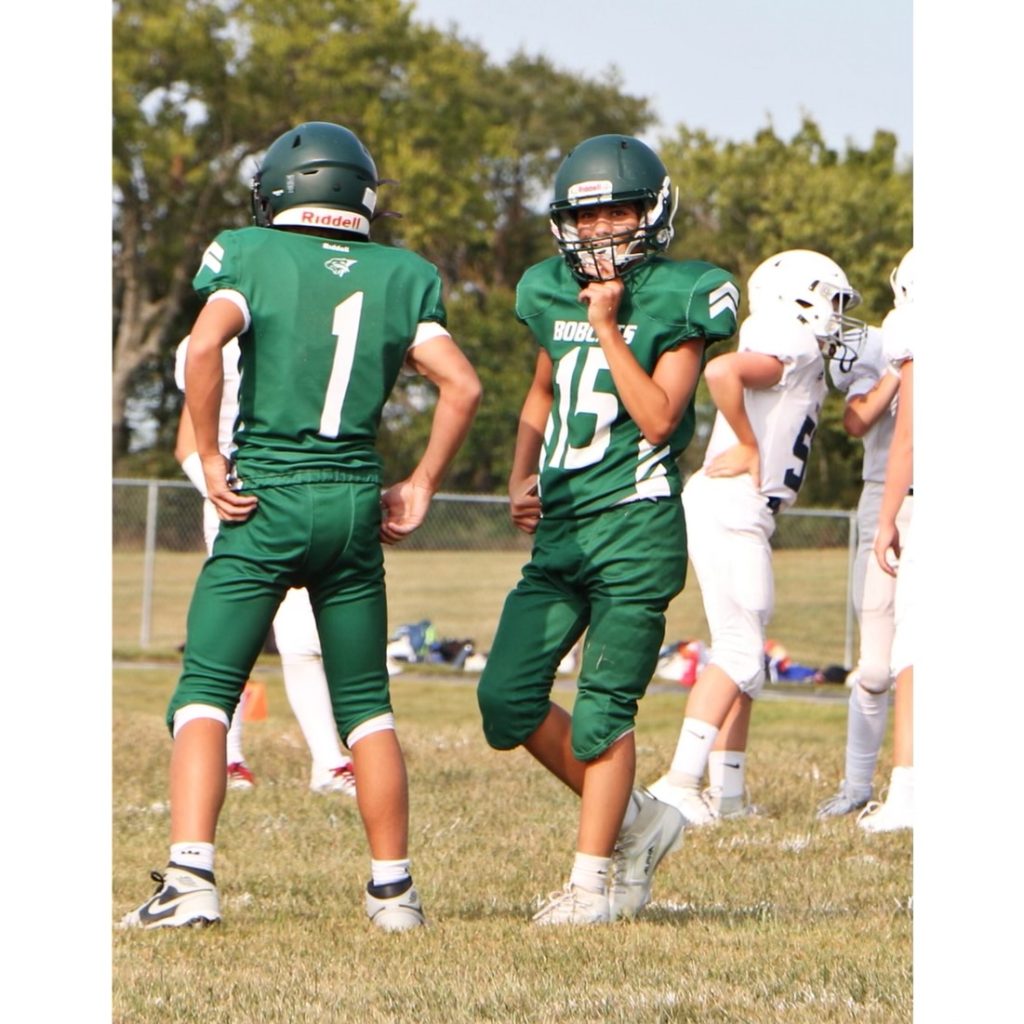
Ten years of the same voice in his corner, in the sport where there is nowhere to hide. It is not hard to see where the reframe came from.
The goals now are specific and sequenced. A solid freshman season, learning from the older guys who have already done it. Then, next year, the varsity job — and a run deep into the postseason with it.
He has spent his whole life around people who expect a lot of him. He has decided that is a compliment.
Building the Résumé: What an Upgrade Adds
Miles has a clear plan for the next eighteen months: contribute as a freshman, then take the varsity job. That plan happens on a field in Basehor, in front of people who already know his name. An upgraded Quarterback Magazine membership is about the part that happens everywhere else.
An upgrade puts custom QB Magazine graphics in his hands — designed pieces built around his name, his number, and Basehor-Linwood, ready to post after a good Friday instead of a screenshot of a stat line. A freshman who starts putting out material that looks like it came from a publication is building a habit that pays off later, when the people looking are the ones who make decisions.
It also changes the reach. When Quarterback Magazine shares an athlete’s feature and graphics across its platforms, that audience is not the audience Miles already has. His followers are classmates, family, and people from around Kansas City who have watched him wrestle since he was small. Ours is trainers, camp directors, and coaches at the next level who have never heard the name — and who will eventually be deciding whether to make the drive to Basehor.
The value is in the repetition. One graphic is a good weekend. A feature, graphics through the season, and a profile that keeps growing become a body of work — so that when a coach hears “Miles Lackner” two years from now, it is the sixth or seventh time rather than the first. Class of 2030 means the runway is long, and runway only helps the players who start using it before they need it.
And it lasts. Seasons close, film gets replaced, tournaments blur together. What gets published stays — the article, the graphics, and the profile at quarterbackmagazine.com/profile/miles-lackner. Years from now, the record of a freshman quarterback who decided that other people’s expectations were a form of belief will still be there, in his own words, with the coach who has been in his corner since he was four named in it.
More info: quarterbackmagazine.com/memberships